Introduction
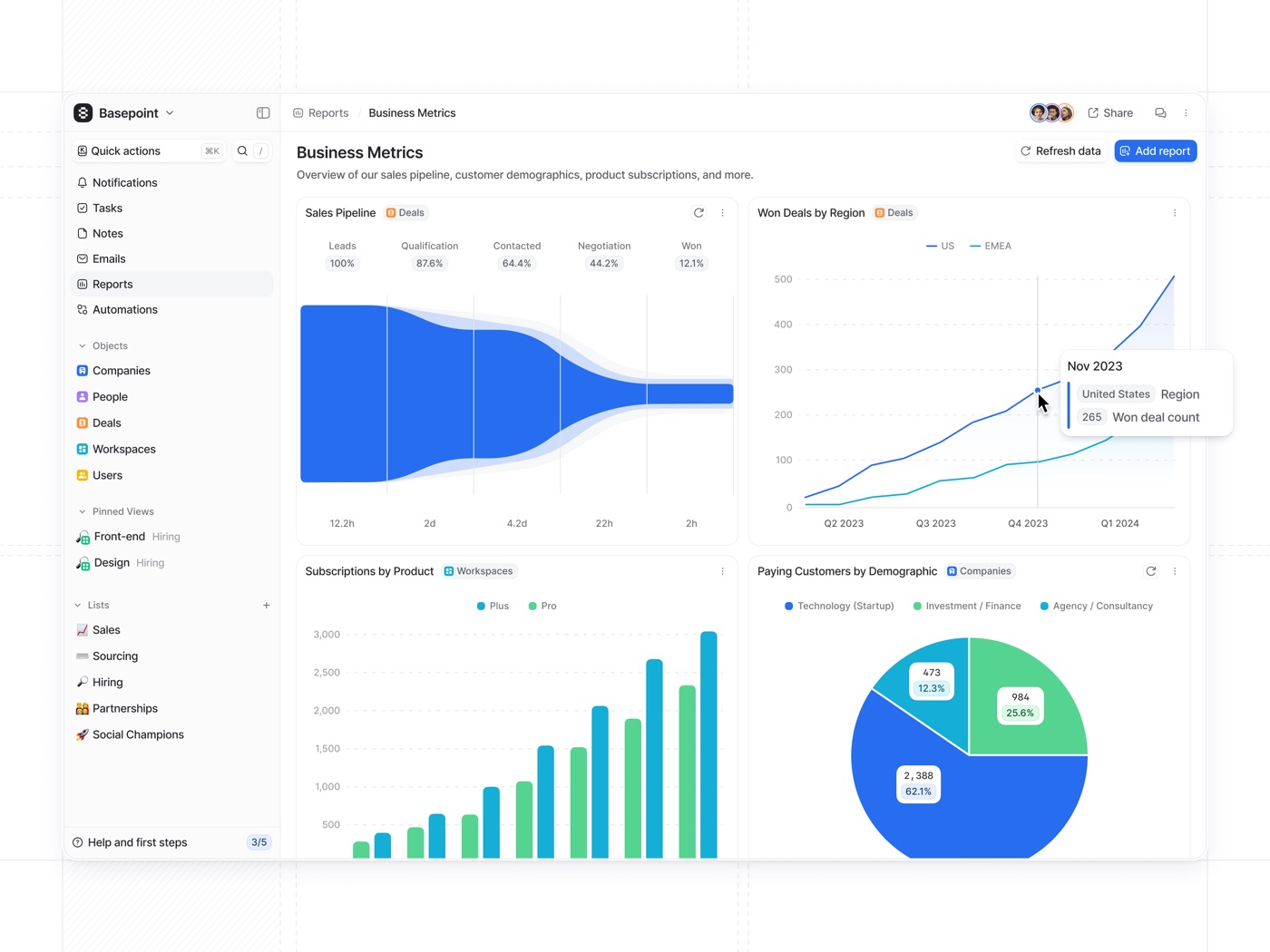
In the dynamic business world, measuring and analyzing performance is crucial for sustained success. This is where KPIs, or Key Performance Indicators, come into play. In this article we will explain what KPIs are in business and what they are for, highlighting their importance and how they can transform business management.
What Is a KPI?
Key Performance Indicators (KPIs) are, just as the name says, those indicators of a business that play a key or crucial role in evaluating and determining the performance of a business, hence the name.
But what is an indicator to begin with?
Indicators are metrics that define the behavior of variables within a business. Examples would be:
- Revenue
- Profitability
- Efficiency, etc.
Next, we will review some types of KPIs.
Types of KPIs
- Financial KPIs: They measure the economic performance of the company, such as revenue, profits, profit margins and return on investment (ROI).
- Operational KPIs: They evaluate the efficiency of internal processes, such as cycle time, cost per unit and operational efficiency.
- Customer KPIs: They measure customer satisfaction and loyalty, such as the Net Promoter Score (NPS), customer retention rate and customer satisfaction.
- Growth and Learning KPIs: They evaluate the development of human capital and the capacity to innovate, such as training rate, employee engagement and product innovation.
What Are KPIs Used For in Business?
1. Performance Measurement
KPIs let companies measure and monitor performance in key areas. This helps identify strengths and weaknesses, making it easier to make informed decisions to improve performance.
2. Strategic Alignment
They help align the company's activities and resources with its strategic goals. KPIs make sure all departments and employees work toward the same goals, promoting coherence and focus.
3. Data-Driven Decision Making
KPIs provide objective, quantifiable data that is essential for decision making. This reduces reliance on intuition and allows business leaders to make well-founded decisions.
4. Continuous Improvement
They make it easier to identify areas that need improvement and to track progress over time. KPIs foster a culture of continuous improvement, driving efficiency and innovation.
5. Accountability and Transparency
KPIs set clear, measurable standards to evaluate performance. This increases accountability and transparency within the organization, making sure all employees understand their roles and expectations.
Key Features of a Good KPI
- Relevance: It must be aligned with the strategic goals of the company.
- Measurability: It must be quantifiable and based on accurate data.
- Accessibility: The data needed to calculate the KPI must be easy to access.
- Actionability: It must provide information that can be used to make decisions and improvements.
- Timeliness: It must be possible to measure it at regular intervals to monitor progress over time.
How to Define Effective KPIs
- Identify Strategic Goals: Determine which goals are critical to the success of the organization.
- Select Relevant Metrics: Choose KPIs that directly reflect progress toward these goals.
- Set Clear Targets: Define specific, measurable, achievable, relevant and time-bound (SMART) targets.
- Monitor and Review: Regularly evaluate the KPIs and adjust strategies as needed.
Conclusion
In short, KPIs are essential tools for effective business management. They let companies measure performance, align strategies, make data-driven decisions, foster continuous improvement and increase accountability and transparency. Implementing and monitoring the right KPIs can be the first step toward optimizing performance and achieving business goals.