Introduction
In the modern business world, informed decision making is crucial for success. This is where dashboards, or control panels, play a vital role. But what exactly are dashboards in business and what are they for? In this article we will explore these questions and discover how they can transform business management.
What Is a Dashboard?
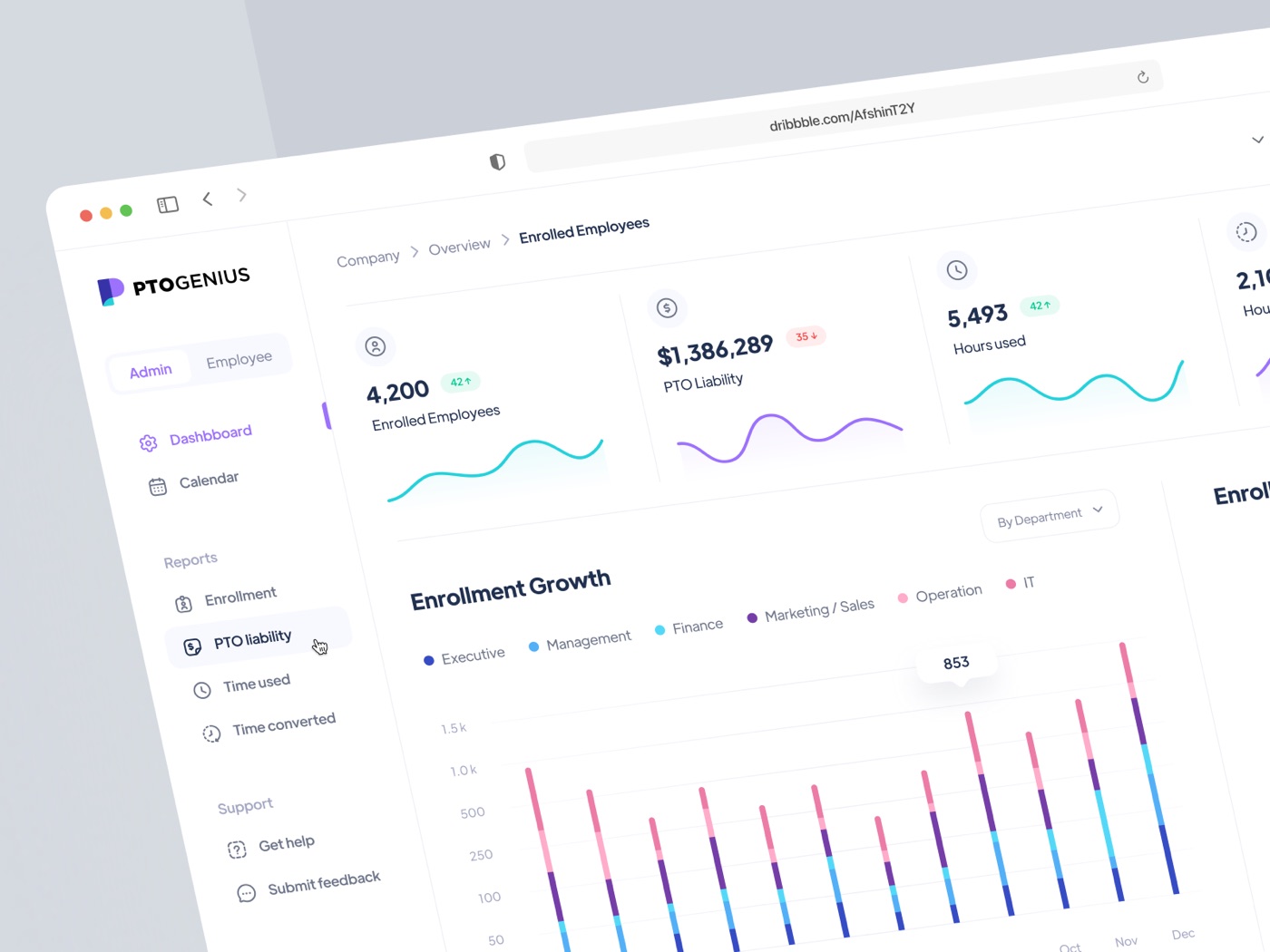
A dashboard is a visual tool that lets companies monitor, analyze and manage key information efficiently. These control panels consolidate data from several sources and present it in charts, tables and other visual elements that make the information easier to understand.
Types of Dashboards
- Operational Dashboards: They give a real-time view of day-to-day operations. They are essential to monitor process performance and detect problems quickly.
- Strategic Dashboards: They help executives track progress toward long-term goals. They include key performance indicators (KPIs) and strategic metrics.
- Analytical Dashboards: They are used to analyze large volumes of data and discover trends or patterns. They are useful for decision making based on historical data.
What Are Dashboards Used For in Business?
1. Informed Decision Making
Dashboards provide a clear and concise view of the current state of the company. This allows managers to make decisions based on accurate, up-to-date data, reducing uncertainty and the risk of errors.
2. Performance Monitoring
They let companies closely follow the performance of different areas and departments. With dashboards, it is easier to identify areas for improvement and optimize processes to increase efficiency and productivity.
3. Communication and Collaboration
Dashboards make it easier to communicate key information between team members and across the different levels of the organization. This improves collaboration and makes sure everyone is aligned with business goals and strategies.
4. Trend Identification
With analytical dashboards, companies can identify trends and patterns in their data. This is crucial to anticipate market changes, adjust strategies and stay competitive.
5. Saving Time and Resources
By automating data collection and presentation, dashboards save time and resources. Employees do not have to spend hours building manual reports, which lets them focus on more strategic tasks.
Key Features of a Good Dashboard
- Visual Clarity: It must be easy to understand and navigate.
- Interactivity: It lets users explore the data dynamically.
- Customization: Adaptable to the specific needs of the user or department.
- Real-Time Updates: It provides up-to-date and accurate information.
- Accessibility: Available on multiple devices and platforms.
Conclusion
In short, dashboards are powerful tools that can transform the way companies manage and analyze their data. They make informed decision making, performance monitoring, communication and collaboration, trend identification and saving time and resources easier. Implementing effective dashboards can be the first step toward more efficient and successful business management.